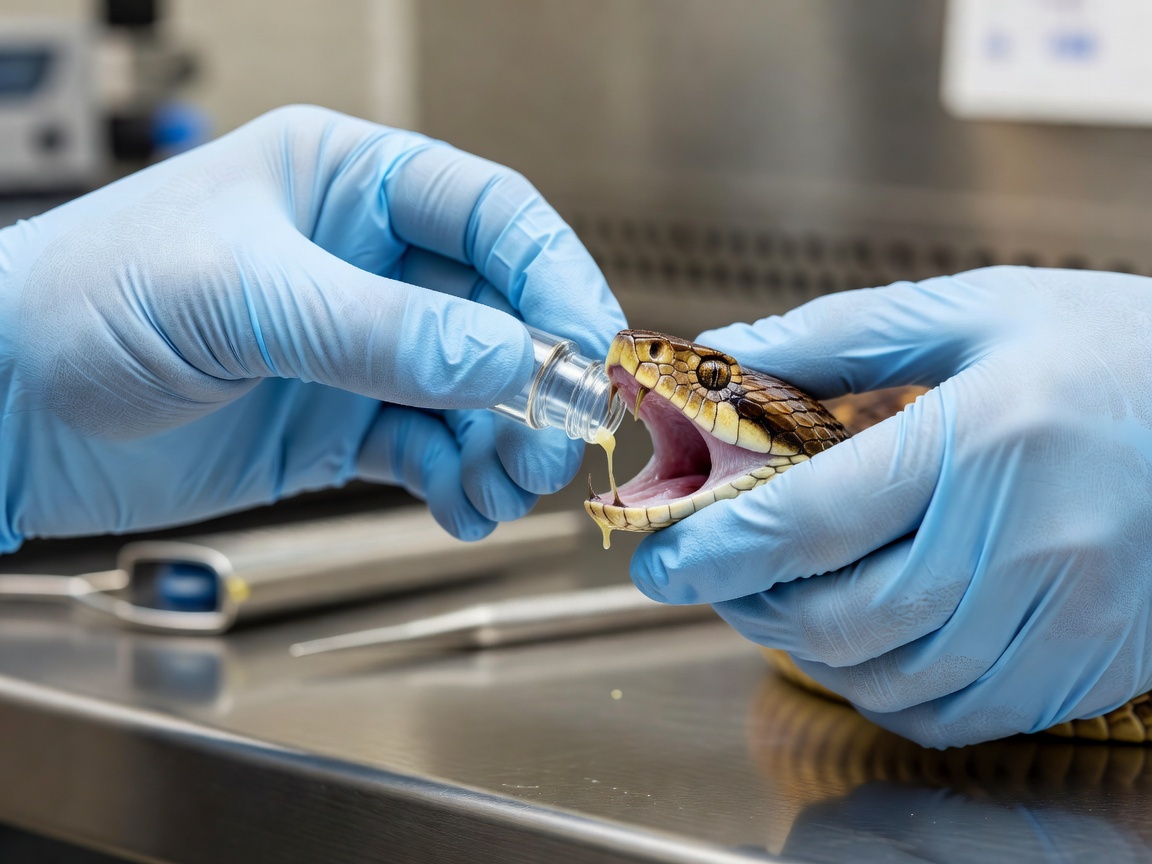
01 / High-risk laboratory work
Snake milker
Venom collection is controlled animal-care and laboratory work, not a dare. Learn what handlers actually do and why supervised training matters.
Read the guideAn atlas of unlikely work
Meet the people who collect venom, assess smells, recover submerged golf balls and perform other work that rarely appears in a school careers booklet.
The field guide
Each guide separates the memorable job title from the practical reality: duties, entry routes, working conditions and questions to ask before applying.
01 / High-risk laboratory work
Venom collection is controlled animal-care and laboratory work, not a dare. Learn what handlers actually do and why supervised training matters.
Read the guide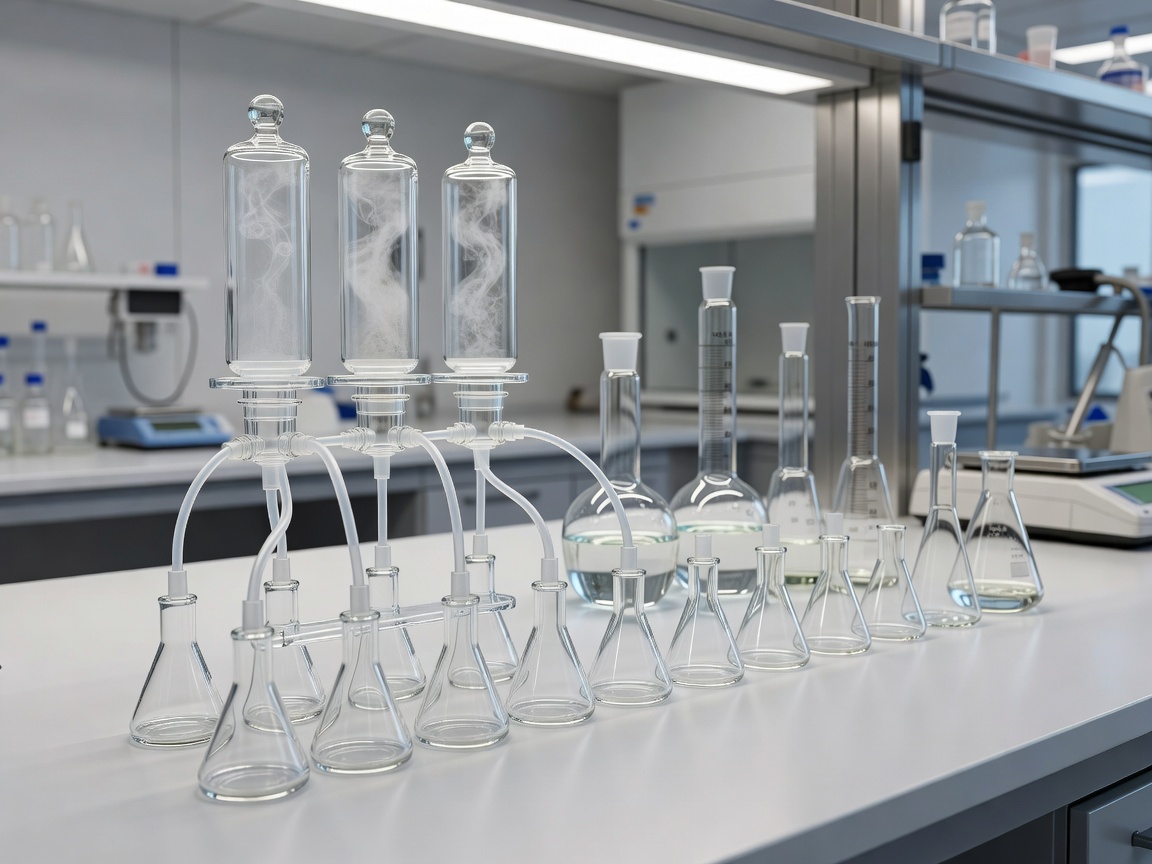
02 / Sensory evaluation
Trained assessors turn subjective smells into repeatable observations for personal-care, environmental and consumer-product teams.
Read the guide
03 / Ceremonial service
Paid mourning has deep cultural roots. Modern assignments require discretion, emotional control and respect for the family’s customs.
Read the guide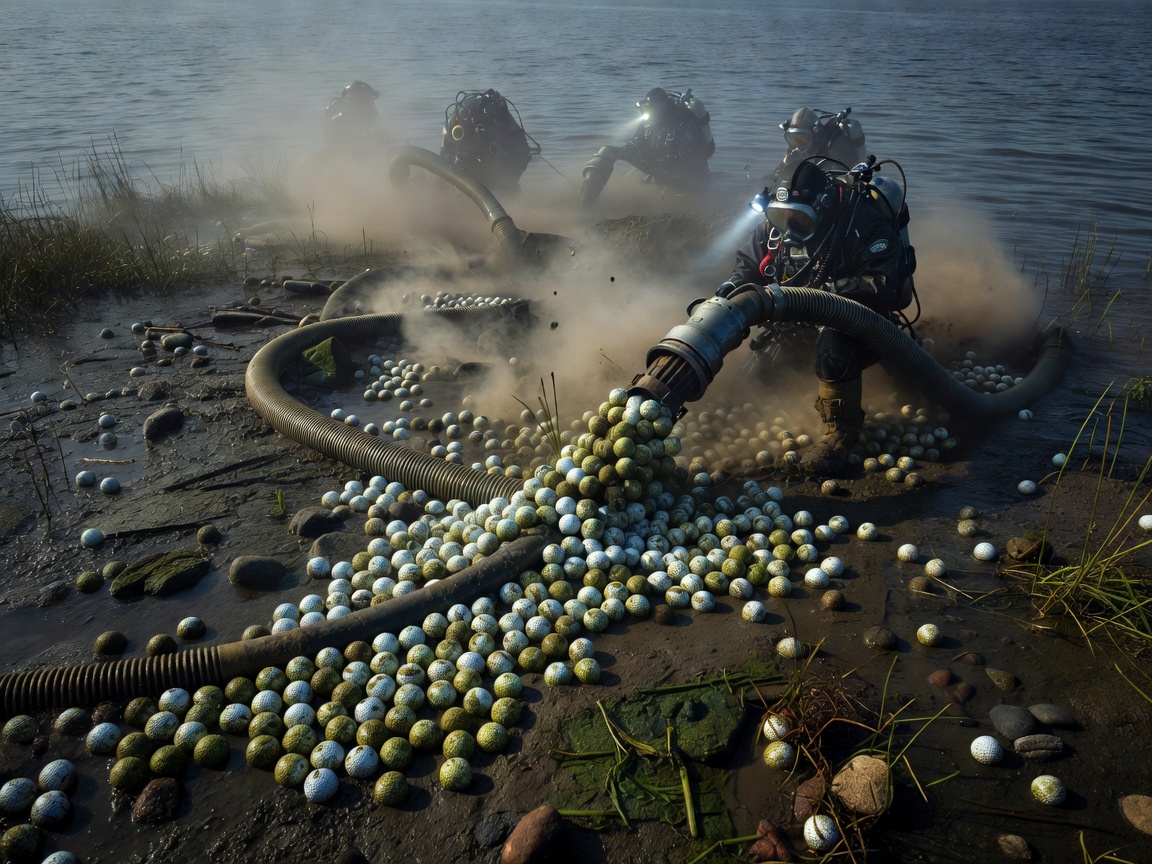
04 / Commercial diving
Retrieving balls from course ponds combines low-visibility diving, manual handling and a resale supply chain.
Read the guide
05 / Product development
The title is catchy, but the role is usually a technical sensory and quality function involving aroma, texture and formulation.
Read the guideLook past the novelty
Unusual occupations are often familiar disciplines in an unfamiliar setting. Snake milking draws on animal husbandry and laboratory controls. Golf-ball recovery is a branch of commercial diving. Odor assessment belongs to sensory science and quality assurance.
When evaluating any niche role, focus on who employs the worker, which training is recognised locally, how hazards are controlled, whether work is seasonal and how compensation is structured. Those details reveal more than a dramatic job title ever can.