Career guide 05
Pet-food taster: the technical role behind the comic title
Human specialists may assess pet food, but the work is usually less about swallowing meals and more about evaluating aroma, appearance, texture, consistency and formulation quality.
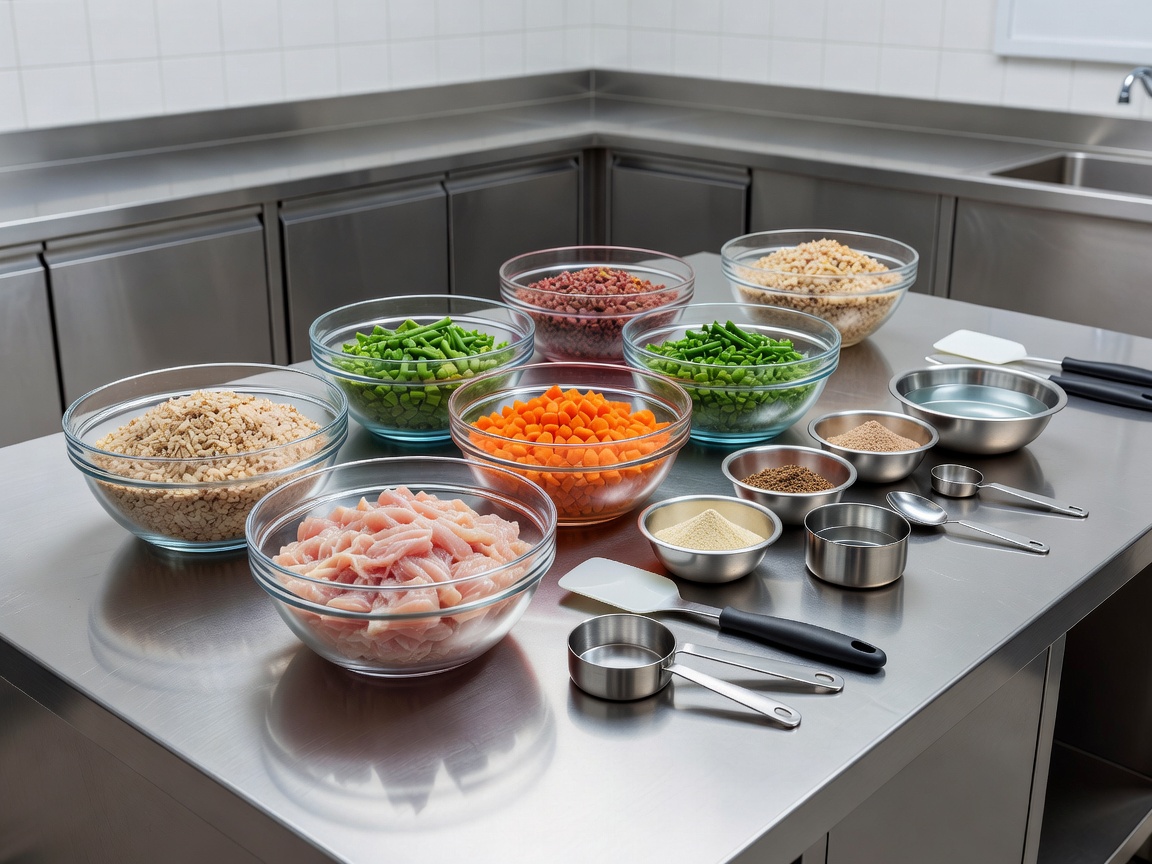
What “tasting” means
The popular title creates an image of someone eating bowls of pet food all day. In practice, human evaluation can include smelling a product, checking its appearance, feeling its texture and taking a small taste where workplace protocols permit. Samples may be spat out rather than swallowed. The exact procedure depends on formulation, food-safety controls and the purpose of the assessment.
A specialist might compare batches for consistency, identify rancid or unexpected notes, assess how easily a wet product releases from packaging or describe the texture of a biscuit. These observations support manufacturing and product-development decisions. Human sensory work cannot establish whether animals will prefer a food, however, so companies also use appropriately designed feeding and palatability studies.
Daily responsibilities
The role is generally bundled into a broader position such as product developer, food technologist, sensory scientist, quality specialist or animal nutrition professional. Daily work may include preparing coded samples, reviewing raw-material specifications, documenting defects, communicating with suppliers and helping investigate production deviations.
Technical staff also balance competing requirements. A formulation must provide appropriate nutrition for its intended animal and life stage, remain stable through its shelf life, work with manufacturing equipment and appeal to both pets and owners. Cost, sourcing and packaging add further constraints. A sensory observation is therefore one piece of a larger decision.
Qualifications and useful skills
Study in food science, chemistry, animal nutrition, biology or quality management can provide a relevant foundation. Manufacturing roles may require knowledge of hygiene systems, hazard controls, traceability and auditing. Product developers also benefit from experimental design and clear statistical thinking.
Sensory ability can be trained. Employers may assess whether candidates consistently recognise differences and use descriptive language. An adventurous appetite is less important than accurate records, respect for procedures and willingness to repeat carefully controlled evaluations. Allergies, dietary restrictions and sensory sensitivities should be discussed before handling samples.
Human judgment versus animal response
Humans and companion animals do not experience food identically. Aroma compounds, texture preferences and feeding behaviour differ by species and individual. A product that seems attractive to a human assessor may not perform well with animals, while a strong aroma that people dislike may be relevant to pet acceptance.
Responsible development combines nutritional expertise, laboratory measures, manufacturing data, human sensory description and ethical animal studies. Assessors should avoid turning a pet’s single enthusiastic or reluctant response into a general claim. Study design, welfare oversight and repeated observations matter.
Advantages and drawbacks
Potential advantages
- Combines product creativity with practical science.
- Work can influence quality, nutrition and user experience.
- Skills transfer to wider food and manufacturing roles.
Potential drawbacks
- Some aromas and textures are challenging.
- Manufacturing investigations can be time-sensitive.
- The novelty title can obscure technical responsibility.
Pay and progression
Compensation follows the underlying professional role rather than a separate rate for tasting. Qualifications, manufacturing experience, management responsibility and location influence salary. Entry-level laboratory or quality positions typically differ from senior formulation, regulatory or research roles. Job seekers should compare the complete duties, not advertisements that use a humorous title to attract attention.
Progression may lead into senior product development, sensory programme management, quality leadership, technical services, procurement or regulatory work. Specialists who understand both animal nutrition and manufacturing can contribute across several teams.
Questions to ask before applying
- Is human tasting required, optional or limited to certain formulations?
- What allergen, hygiene and sample-release controls apply?
- How are sensory findings combined with animal palatability data?
- How much of the position involves manufacturing support and documentation?
- Which training and professional development are provided?
The job is strange only from a distance. Up close, it is a recognisable quality and development career: understand the product, describe it consistently, protect the consumer and make decisions from more than one source of evidence.