Career guide 02
Odor judge: making useful evidence from invisible signals
Professional odor assessors use controlled methods and a shared vocabulary to evaluate smells. The work can inform product development, quality control, environmental monitoring and consumer research.
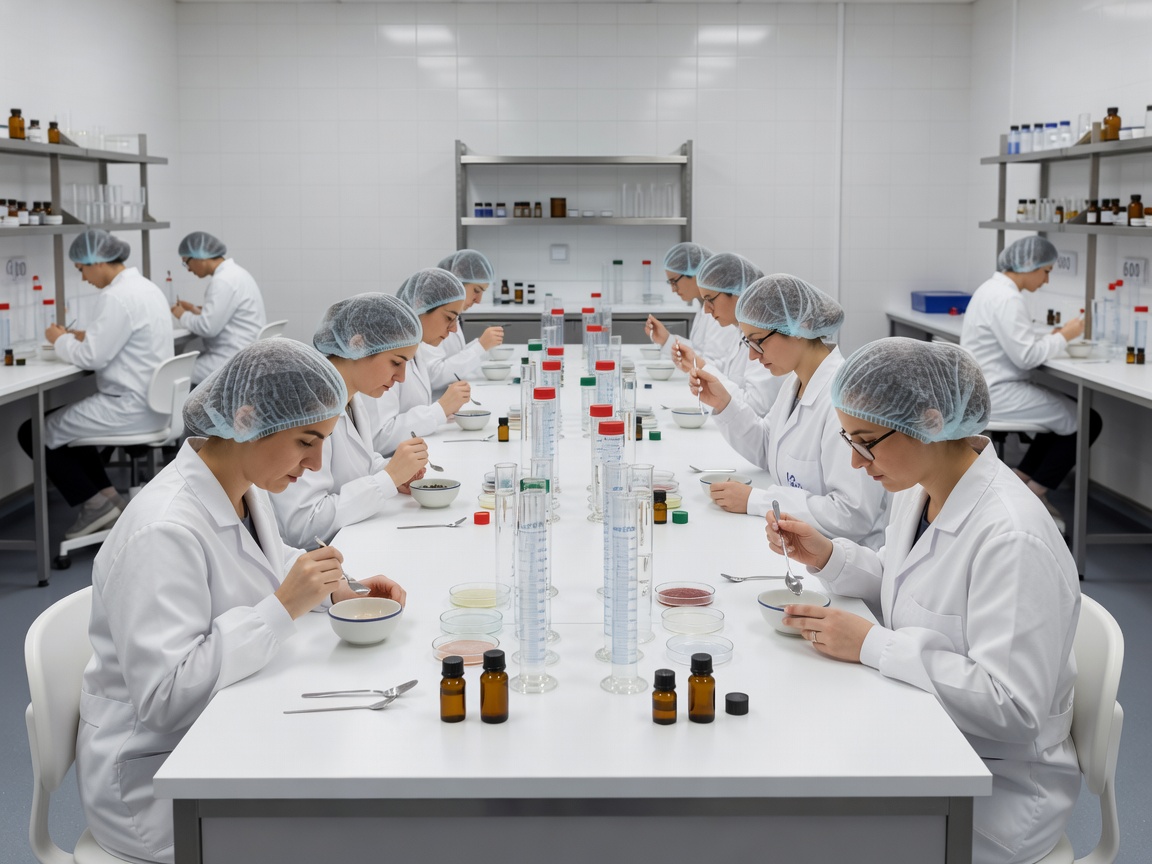
More than having a sensitive nose
An odor judge does not simply announce whether something smells pleasant. Assessors may rate intensity, identify characteristics, compare samples or record how an odor changes over time. A personal-care team might examine whether a product controls unwanted odor. A manufacturer may investigate an unexpected smell in packaging. Environmental panels can help characterise air samples under a defined procedure.
The usefulness of the work depends on repeatability. Samples are coded so assessors do not know which formulation they are receiving. Temperature, quantity, presentation order and time between samples may be controlled. Results are recorded using agreed scales rather than casual reactions. Panel leaders then examine patterns across multiple assessors; one unusually sensitive response should not automatically determine a conclusion.
Training the vocabulary
People vary widely in sensitivity and in their ability to describe what they detect. Recruitment may involve screening for recognition, discrimination and consistency. Training builds a common vocabulary using reference materials. Assessors learn the difference between describing an odor and judging whether they personally like it.
Calibration is ongoing. A panel may revisit reference samples before a session, and leaders monitor whether an assessor’s ratings drift. Temporary illness, smoking, strongly scented toiletries, medication or recent food can affect performance. A responsible programme gives clear preparation rules and allows assessors to report when they are not fit for a session.
Employment models
Some participants work part-time on consumer or trained panels, attending scheduled sessions rather than holding a full-time “odor judge” position. Technical specialists may work in sensory science, research, quality assurance, fragrance development or environmental services. Their responsibilities can include designing tests, recruiting panelists, analysing data and writing reports.
For applicants, the distinction matters. Panel participation can provide flexible supplementary work but may offer irregular hours and little progression. A technical sensory career normally requires broader scientific, statistical and project-management skills. Relevant study areas include food science, chemistry, psychology and consumer research, although entry requirements vary.
Working conditions and limits
Sensory rooms are often deliberately plain to reduce distraction. Sessions may be short because repeated exposure causes adaptation: after smelling something for long enough, the nose becomes less responsive. Breaks, fresh air and carefully planned sample numbers help protect data quality. Field-based odor work can involve travel, weather and strict sample-handling requirements.
Potential advantages
- Work combines human perception with structured evidence.
- Part-time panels can fit around other commitments.
- Technical roles influence real product and quality decisions.
Potential drawbacks
- Some samples are intentionally unpleasant.
- Fragrance restrictions may apply before sessions.
- Panel work can be intermittent and repetitive.
Pay, progression and credibility
Panelists are commonly compensated by session, hour or study, while permanent staff receive salaries aligned with their wider technical role. Rates depend on location, session length, special screening and employment status. Applicants should ask whether preparation time, cancellations and travel are paid rather than focusing only on the headline rate.
Progression for technical staff may include panel leadership, sensory programme management, research or quality management. Familiarity with experimental design and data analysis makes an assessor more versatile. Clear writing is equally important because findings must be translated for colleagues who were not present during testing.
How to assess an opportunity
- Ask whether the panel is trained, consumer-based or used for environmental assessment.
- Confirm what substances are presented and how exposure is controlled.
- Check session frequency, payment terms and cancellation arrangements.
- Find out how calibration, confidentiality and conflicts of interest are managed.
- For permanent roles, ask how much time is spent assessing versus designing and reporting studies.
The role rewards patience rather than theatrical reactions. Strong odor judges notice carefully, use language consistently and accept that a well-designed group result is more valuable than an individual claim to possess an extraordinary nose.