Career guide 01
Snake milker: precision at the dangerous end of animal care
The informal title describes specialists who collect venom from snakes for research, diagnostic work and antivenom-related production. The reality is methodical, repetitive and governed by strict safety controls.
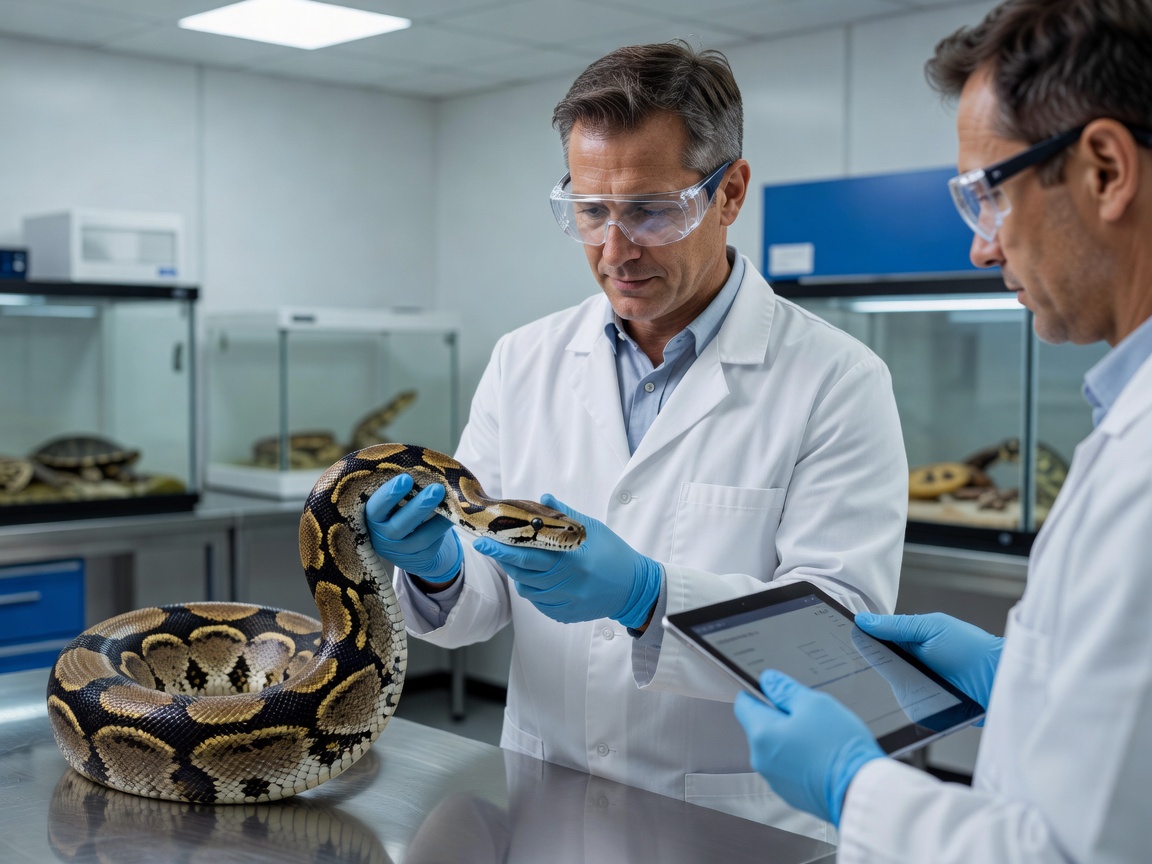
What does a snake milker actually do?
Venom extraction is only one part of the job. A specialist may maintain secure enclosures, monitor feeding and shedding, record animal health, prepare labelled collection vessels, clean equipment and document each specimen. Collection schedules must account for species, animal condition and the purpose of the material. The worker also needs to recognise abnormal behaviour and know when an animal should not be handled.
During an extraction, trained personnel restrain the snake using an approved method and encourage it to bite through a membrane over a collection container. The procedure differs by facility and species. It should never be copied from online footage: a small error in grip, positioning, equipment or room control can have severe consequences. Reputable operations use written procedures, trained assistants and emergency planning rather than relying on an individual’s confidence.
Where the work exists
Roles may be found in university research groups, zoological collections, venom laboratories and organisations supporting antivenom manufacture. “Snake milker” is rarely the formal vacancy title. Searches are more productive when they include terms such as venom technician, reptile keeper, animal technician, laboratory technician or herpetology assistant.
Openings are limited because facilities maintain small specialist teams. Duties may be combined with broader animal husbandry or laboratory work. Candidates who expect to spend every shift extracting venom may be surprised by the amount of cleaning, record keeping, enclosure inspection and stock control involved.
Training and entry routes
A background in zoology, biology, veterinary support, animal management or laboratory science can be useful. Requirements vary by employer and jurisdiction, so no single qualification guarantees entry. Practical experience with non-venomous reptiles may build foundational husbandry skills, but it does not qualify someone to handle venomous species.
Hands-on instruction must be provided by a competent facility through supervised, progressive training. Workers should understand species identification, bite prevention, containment, incident reporting, hygiene and the limitations of protective equipment. Local licences, occupational-health checks or institutional approvals may also apply. A credible employer will explain competency assessment and emergency arrangements before allowing independent duties.
Working conditions, advantages and drawbacks
Facilities are usually controlled for temperature, access and hygiene. Work may involve weekends because animals require continuous care. Fine motor control and concentration are essential, and routine tasks cannot be rushed when staffing is tight. Exposure to allergens, cleaning chemicals and animal waste can accompany the obvious venom hazard.
Potential advantages
- Direct contribution to scientific and medical supply chains.
- Highly specialised animal-care expertise.
- A varied combination of husbandry and laboratory procedure.
Potential drawbacks
- Serious occupational risk despite careful controls.
- Few vacancies and limited geographic choice.
- Routine cleaning and documentation outweigh dramatic moments.
Pay and career progression
Compensation is generally tied to the formal position—such as animal technician, keeper or laboratory technician—rather than the novelty of venom collection. Location, public or private employment, qualifications, shift work and supervisory responsibility all affect pay. Treat advertisements promising exceptional income for simple extractions with caution, especially if they omit training and safety requirements.
Progression may lead to senior keeper, facility manager, training, laboratory supervision or research support. Additional education can open scientific roles, while strong operational experience may support compliance and animal-welfare responsibilities.
Questions to ask an employer
- Which species are held, and what competency process applies to each?
- Is handling performed with a second trained person present?
- What incident, medical-response and transport plans are documented?
- How are animal welfare, sample traceability and equipment checks recorded?
- Which duties fall outside extraction, and how are weekend shifts arranged?
The best candidate is not the person most excited by danger. It is the person who remains careful during the hundredth enclosure check, follows procedure when nobody is impressed and treats both animal welfare and colleague safety as non-negotiable.